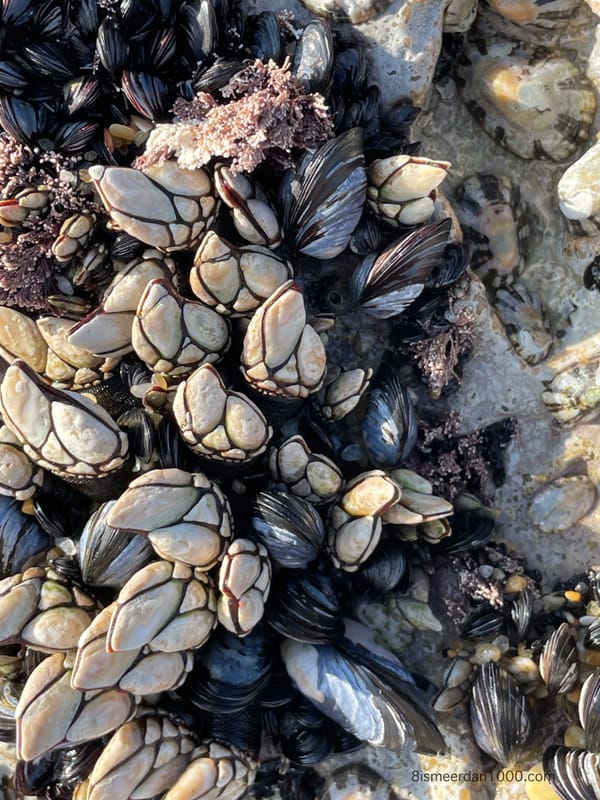
Clinging to one of the concrete blocks on the Nazaré breakwater. Among the black mussels. Marvellous little creatures, as if from another planet. Pollicipes pollicipes, the goose barnacle.
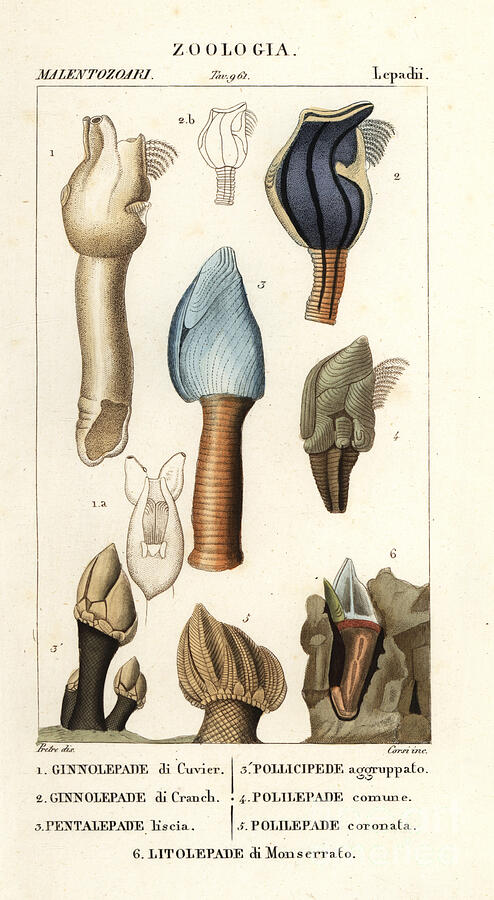
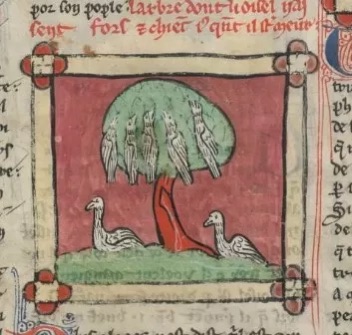
‘Goose barnacle,’ not to be confused with ‘barnacle goose.’ And that was precisely the case for a long time. In the Middle Ages, bird migration was an unknown phenomenon. No one had ever seen geese mating or nesting. And because the Pollicipes pollicipes bears some resemblance to the neck, head, and beak of a goose, a direct link was drawn between the two: the barnacle goose and the goose barnacle. The goose did not hatch from an egg; it grew on the plant. The myth of the goose plant, of the goose tree, was born.
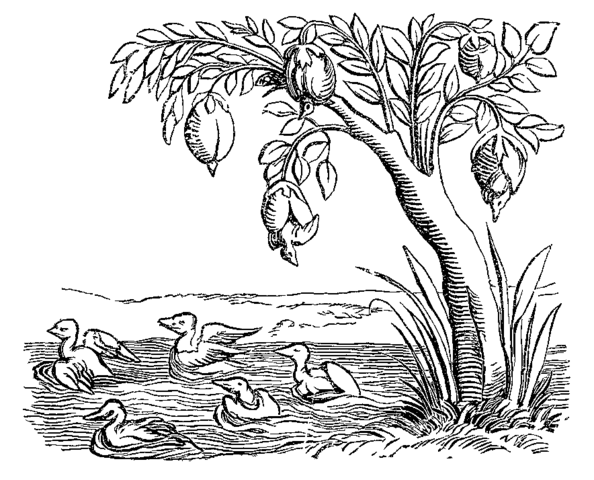
Now, the goose barnacle is by no means a plant. At first glance, the goose barnacle looks more like a mussel or a shellfish. It is, however, a crustacean. Here in Portugal, they’re on the menu as percebes. I’ll leave them be; for now, I’m content with simply observing them and enjoying the juicy medieval tale.
*
This week in 8>1000 …
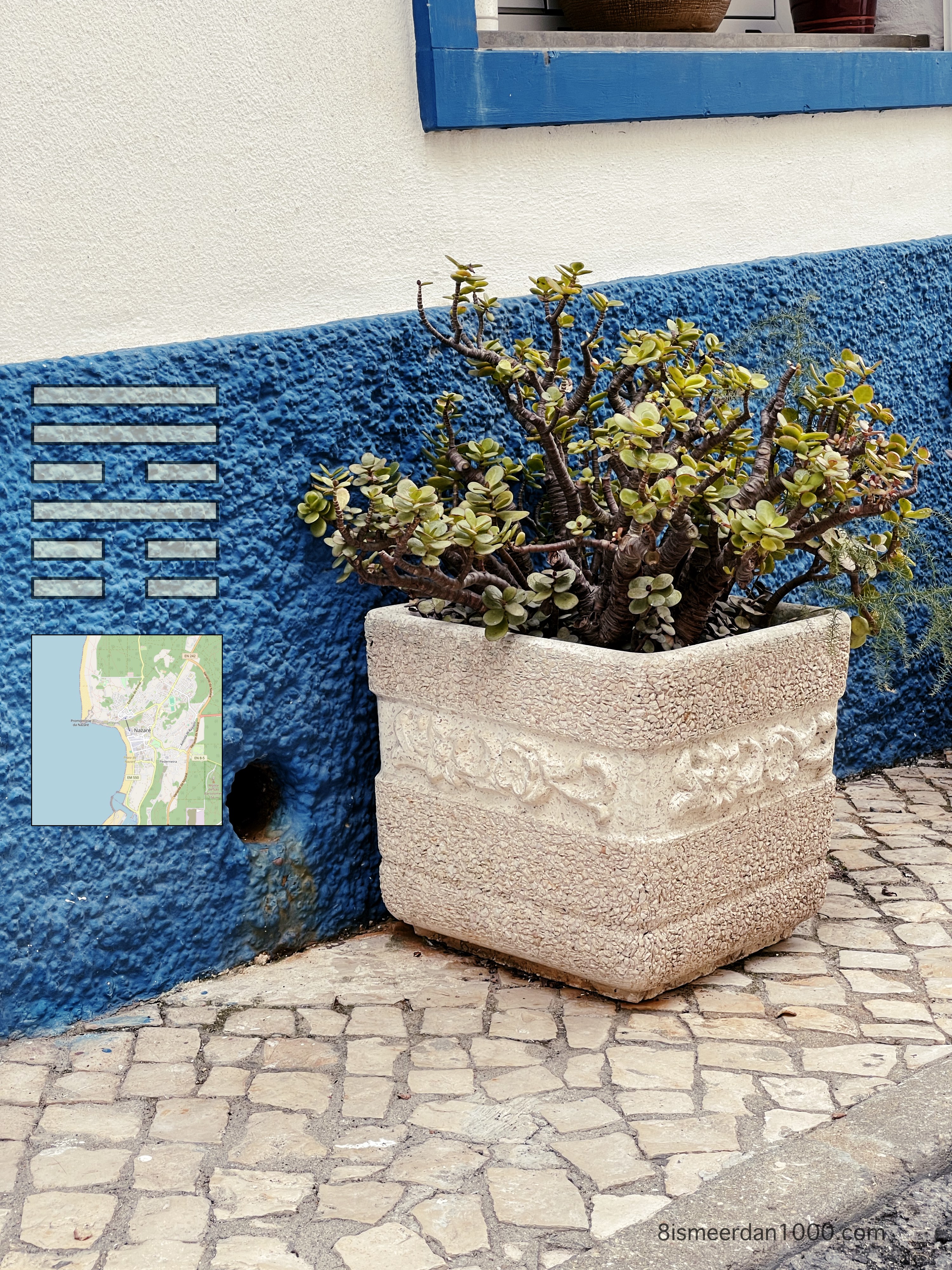
and …
 Peter den Dekker
*
And tomorrow morning, of course: the week kicks off with music. Have a lovely Sunday!
*